
You Don't Have to Relive It to Work Through It.
Trauma therapy for adults in New York and New Jersey who are ready to stop managing symptoms and actually address what's underneath. Using Attachment-Focused EMDR, we work with your nervous system — not just the story.
Book a Free Consultation One connection can change everything.Trauma Doesn't Always Look Like One Big Event.
Sometimes it's an accumulation — years of a relationship that wore you down, a childhood with too much instability, a period of your life that felt unsafe in ways that are hard to name now. Sometimes it's something specific that happened and just never fully left.
You might not even use the word trauma. But you notice that certain things trigger a reaction that's bigger than the situation calls for. You startle easily. Sleep has always been complicated. You find it hard to stay present — or you go the other direction and feel disconnected from everything, including yourself.
A history that's been quietly shaping your daily life for years
Anxiety or hypervigilance that won't fully let you rest
Emotional numbness or difficulty connecting to your own feelings
Relationship patterns that trace back to something older
Grief with a trauma layer — loss that happened suddenly or without closure
When Trauma Goes Unaddressed, It Doesn't Just Sit There Quietly.
It tends to shape the things around it — how you respond in relationships, how your body holds stress, how you interpret safety and threat. The longer it goes without being worked through, the more it can start to feel like just how you are.
That's not true. And it's not permanent. But it does mean it needs to be actually addressed — not just talked around.
Working With Your Nervous System, Not Just Your Story.
AF-EMDR is different from standard talk therapy — and that difference matters for trauma.
Attachment-Focused EMDR
An evidence-based approach specifically designed to help the nervous system process what's been stuck. Unlike standard talk therapy, we're not focused on narrating what happened — we work with what's present in your body and nervous system right now.
The Relationship Is Part of the Healing
The "attachment-focused" part matters. AF-EMDR is particularly well-suited for relational trauma, developmental trauma, and grief that has a trauma layer — because the therapeutic relationship isn't background noise. It's part of how the healing happens.
No Forced Disclosure
You don't have to explain every detail of what happened. You don't have to go somewhere you're not ready to go. The work meets you where you are — and stays there until you're ready to move.
Fully Via Telehealth
Video sessions work well for AF-EMDR — including the bilateral stimulation components. We work with clients across New York and New Jersey from wherever you have privacy and a stable connection.

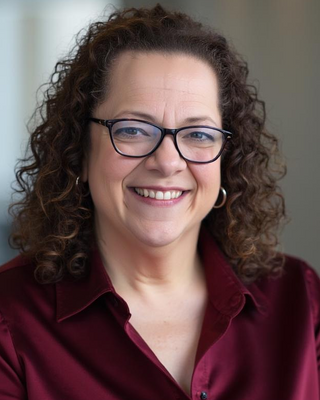
I'm Dianne Galasso, LCSW.
I founded Hamilton Psychotherapy to build a practice where the work is real and the support is actually personal — not protocol-driven and transactional.
Attachment-Focused EMDR is available at Hamilton Psychotherapy for clients whose trauma needs more than conversation alone. What sets AF-EMDR apart isn't just the technique — it's that the therapeutic relationship itself is part of how healing happens. We work with your nervous system, not just your story.
Many clients also carry grief or are in the middle of major life transitions alongside trauma. That layering is something this practice is specifically equipped to work with.
Book a Free ConsultationNot Every Practice Goes This Deep.
Equipped for Layered Work
Trauma, grief, and anxiety often arrive together. Hamilton Psychotherapy is specifically equipped to work with all of it — including through AF-EMDR for clients who need more than conversation alone. Nothing gets set aside because it doesn't fit neatly into one category.
Small by Design
This practice stays intentionally small. That means your therapist knows your history, your pace, and what you're working toward — not just what was in your intake form. Consistency matters in trauma work, and this practice is built around it.
An Approach That Fits You
AF-EMDR isn't applied the same way to every client. The work is adapted to your specific history, your nervous system, and what you're ready for. There's no standard script — and that's the point.
What Trauma Therapy With AF-EMDR Actually Looks Like
No surprises. No pressure to go faster than you're ready.
First: Build the Foundation
We won't jump into EMDR in the first session. The early phase is about understanding your history, developing stabilization tools, and building enough trust that the deeper work can actually land. That groundwork is what makes EMDR safe and effective.
EMDR Sessions: What They Feel Like
You won't be asked to narrate your trauma in full detail. We work with targeted memories or feelings using bilateral stimulation — typically eye movements or tapping. Most clients are surprised by how manageable it feels. And by how much shifts.
Ongoing, At Your Pace
This isn't a sprint. We work at the pace your nervous system can actually integrate. Consistent sessions over time tend to produce the most meaningful, durable change — and we'll calibrate as we go.
Three Steps to Getting Here
It starts with a conversation. That's it.
Book a Free 15-Minute Call
No commitment, no pressure. We'll talk briefly about what you're carrying and whether this approach sounds like a good fit.
Build the Foundation First
The early sessions focus on stabilization and trust — not jumping straight into processing. We do the groundwork together so the deeper work can actually land.
Move Through It, Not Around It
With AF-EMDR, we address what's underneath — not just the surface symptoms. Most clients notice real, meaningful shifts over the course of consistent work.
Things People Usually Ask About Trauma Therapy
EMDR stands for Eye Movement Desensitization and Reprocessing — an evidence-based approach to trauma processing. The attachment-focused version adds a relational layer: it takes into account how your early attachment experiences shape the way your nervous system holds trauma. AF-EMDR is particularly effective for relational trauma, developmental trauma, and trauma that's tangled up with loss and grief. The therapeutic relationship is central to how it works — not just a backdrop to it.
No. That's one of the most common concerns people bring into trauma therapy, and it's one of the reasons AF-EMDR can be so useful. We work with what's present in your body and nervous system — not necessarily with a full verbal account of every event. You don't have to go somewhere before you're ready.
Trauma is not defined by the severity of an event — it's defined by how your nervous system responded to it. If something happened that left a lasting mark on how you feel, relate, or function, that's worth addressing. You don't need to earn the label to benefit from this kind of work.
Talk therapy is valuable and genuinely helpful for many things. For trauma specifically, there's strong evidence that approaches like EMDR — which work with how the nervous system stores experience — can reach things that conversation alone doesn't always access. That said, relationship and trust are still at the center of how we work together. The two aren't in conflict — they build on each other.
Absolutely. Trauma, grief, and anxiety are often layered together, and many clients come in carrying more than one thing. Hamilton Psychotherapy is equipped to work with all of it, and we'll address what actually comes up in the room.
You don't have to feel ready to reach out. Many people start in exactly this moment — uncertain, a little skeptical, but sensing that something needs to change. The first step is just a conversation. Nothing is decided in that call, and you're not committing to anything.
We are a private pay practice. Sessions are paid out of pocket at the time of service. If you have out-of-network benefits, you may be able to seek reimbursement through your plan — I'd encourage you to check with your insurance provider directly.
Video sessions work well for AF-EMDR — including the bilateral stimulation components. We use a HIPAA compliant platform, so you can join from home or anywhere private in New York or New Jersey. I'll walk you through exactly how it works in our first sessions together.
The Work You've Been Putting Off Is the Work That Changes Things.
A free 15-minute call is the smallest possible first step. No pressure, no commitment — just a real conversation about whether this feels like the right fit.
Book a Free Consultation One connection can change everything.